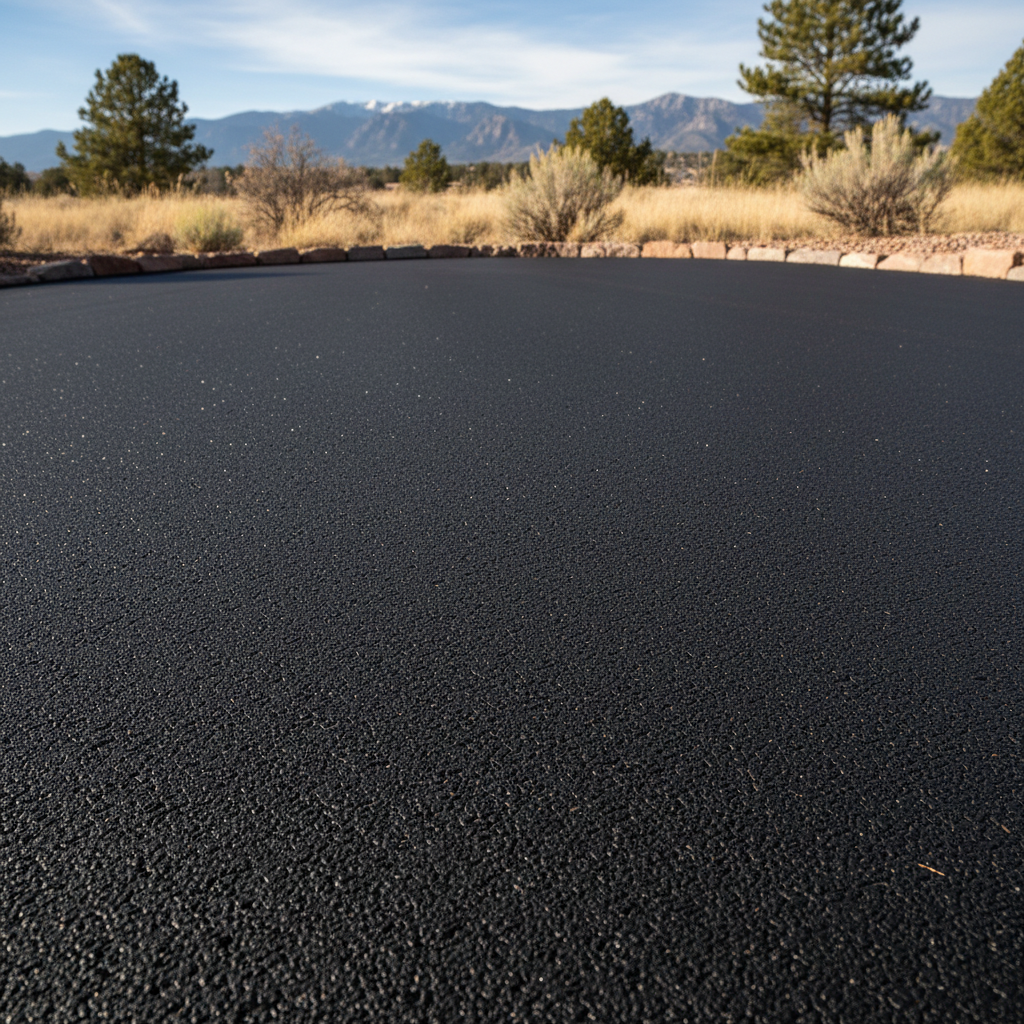
How long does asphalt paving actually last in Colorado Springs?
This is probably the first thing everyone asks, and it's a good one, especially with our crazy Colorado weather. A well-installed asphalt driveway or parking area, properly maintained, should give you a solid 15 to 20 years. Maybe even a bit more if you're really on top of things. But here's the catch: that's for a *well-installed* job. If someone cuts corners on the base, or uses cheap materials, you'll be lucky to get half that. The freeze-thaw cycles we get here, especially in areas like Black Forest or Monument where the ground can really heave, are brutal on pavement. Good drainage and a solid, compacted sub-base are non-negotiable if you want it to last.
What's the deal with sealcoating? Is it really necessary?
Absolutely, it's necessary. Think of sealcoating as sunscreen and a protective topcoat for your asphalt. It's not just about making it look pretty and black again, though it does that too. Sealcoat protects the asphalt binder from UV rays, which dry it out and make it brittle, leading to cracks. It also helps repel water, which is your asphalt's biggest enemy. Water gets into tiny cracks, freezes, expands, and then you've got potholes. I usually recommend sealcoating a new driveway about a year after it's laid down, then every 2-3 years after that. It's a small investment that significantly extends the life of your pavement, saving you big money on repairs or replacement down the road.
How much does a new asphalt driveway cost?
Alright, the million-dollar question. And honestly, there's no single answer because every job is different. The cost depends on a few major factors: the size of the area, how much excavation and base work is needed (is it a fresh install, or are we tearing out old concrete?), the thickness of the asphalt layer, and the current price of materials. Asphalt prices fluctuate, just like gas. What I can tell you is that Primetime Paving Co always provides a detailed, transparent quote after we've come out to look at your specific project. We'll measure everything, assess the site, and discuss your options. Don't fall for bids that seem too good to be true; they usually are, and you'll pay for it later in repairs.
Can I pave over my old concrete driveway?
You can, but it's usually not the best idea for a long-term solution. Paving over concrete can lead to what we call 'reflective cracking.' Basically, any cracks or expansion joints in the old concrete will eventually show through the new asphalt layer. It's like putting a fresh coat of paint over a cracked wall without fixing the wall first. If the concrete is in really bad shape, it's almost always better to remove it and start fresh with a proper aggregate base. If it's just a few minor cracks and the concrete is otherwise sound, we might be able to mill it down and then pave over it, but that's a case-by-case call. We'd need to inspect it to give you an honest assessment.
What's the best time of year to get asphalt paving done in Colorado Springs?
Here in Colorado Springs, our paving season is typically from late spring through early fall. You want consistent temperatures above 50 degrees Fahrenheit, both during the day and overnight, for the asphalt to cure properly. That usually means May through October. Paving in colder weather can lead to issues with compaction and the asphalt not bonding correctly, which means it won't last as long. We also need dry conditions; paving on wet ground is a recipe for disaster. So, while we're working hard during those months, it's for a good reason – to make sure your pavement is going to hold up to our Pikes Peak winters.
How long until I can drive on my new asphalt driveway?
Patience is key here. For a newly paved driveway, I generally tell folks to wait at least 2-3 days before driving on it. And even then, drive slowly and avoid sharp turns or heavy braking for the first week or so. It takes time for the asphalt to fully cure and harden. If you've got heavy vehicles, like an RV or a large truck, you might want to wait even longer, maybe a week. It's tempting to use it right away, but you'll avoid scuff marks, tire depressions, and other damage if you let it set up properly. Think of it like fresh concrete – you wouldn't walk all over that right away, would you?