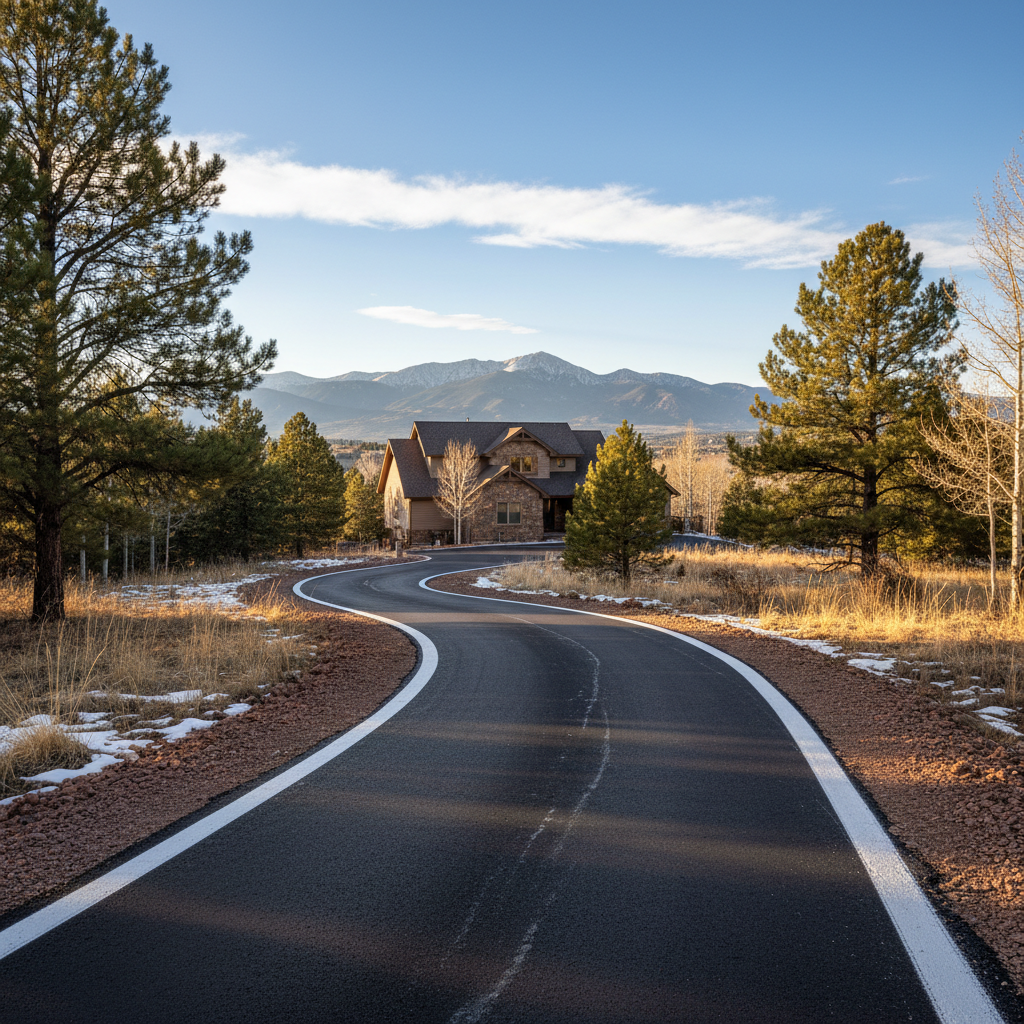
You've got an asphalt driveway, maybe it's new, maybe it's been around for a while, but you're thinking about getting it striped. Maybe it's a basketball court, or just some clean lines to make it look sharp. Good idea. But here in Colorado Springs, you can't just pick any old day to get that done. Our weather plays a huge role in how well that striping paint goes down and how long it lasts.
When's the Best Time to Stripe Your Asphalt?
Timing is everything when it comes to asphalt striping, especially in our neck of the woods. You need warm, dry conditions. That means typically late spring, through summer, and into early fall. Think May through September, maybe even early October if we get a nice, extended warm spell.
Why is that window so important? Well, the paint needs to cure properly. If it's too cold, it won't bond right to the asphalt. If it's too wet, it's just going to wash away or look blotchy. We're talking about temperatures consistently above 50 degrees Fahrenheit, both during the day and overnight. Below that, and you're just asking for trouble.
You want to avoid those early spring days where it's 60 degrees at noon but drops to freezing overnight. That temperature swing is tough on fresh paint. Same goes for late fall when we start seeing those first hard freezes. It's just not worth the risk of a poor job.
Weather Conditions That Affect Striping
Beyond just the temperature, there are a few other things we're always watching when we schedule striping jobs for folks around here:
- Moisture: This is a big one. The asphalt surface needs to be completely dry. We're not just talking about no rain actively falling. If it rained yesterday, or if there's heavy dew in the morning, we'll need to wait. That moisture gets trapped under the paint and messes with adhesion.
- Wind: Our Colorado Springs winds can be a real pain. Strong gusts can make it impossible to get a clean, straight line. The paint can drift, overspray, and just make a mess. We don't want that for your driveway, and you don't want it either.
- Humidity: High humidity can slow down the drying and curing process significantly. While not as critical as temperature or direct moisture, it's something we factor in.
- Direct Sunlight: Believe it or not, too much direct, intense sunlight on a super hot day can also be an issue. It can cause the paint to dry too fast on the surface, trapping solvents underneath and leading to blistering or poor adhesion. We're looking for that sweet spot.
This is why you'll often see us checking the forecast like hawks before we commit to a date. We want to make sure we're setting your project up for success.
Protecting Your Striping Investment Year-Round
Once you've got those crisp, new lines down, you want them to last, right? Here's how you can help protect your investment:
First off, let the paint fully cure. We'll tell you how long to stay off it, but generally, give it at least 24-48 hours, maybe longer if it's cooler or more humid. Don't drive, walk, or park on it until it's completely dry.
Keep your asphalt clean. Dirt, gravel, and debris act like sandpaper every time a car drives over them, wearing down the paint. A quick sweep or hose-down now and then goes a long way. This is especially true after one of our famous snowstorms when the plows might leave behind a bunch of grit from the roads.
Consider sealcoating your driveway every few years. A good quality sealcoat protects the asphalt itself from UV rays, water, and chemicals, and it also helps preserve any striping or markings on the surface. Just make sure the striping is fully cured before applying a sealcoat over it.
Avoid harsh chemicals. Things like oil spills, gasoline, or strong detergents can degrade the paint over time. Clean up any spills quickly with mild soap and water.
By paying attention to the weather when you schedule and taking a few simple steps to maintain your driveway, you'll keep those stripes looking sharp for years. If you're ready to get your asphalt looking its best, give Primetime Paving Co a call. We'll make sure it's done right, with our Colorado Springs climate in mind.