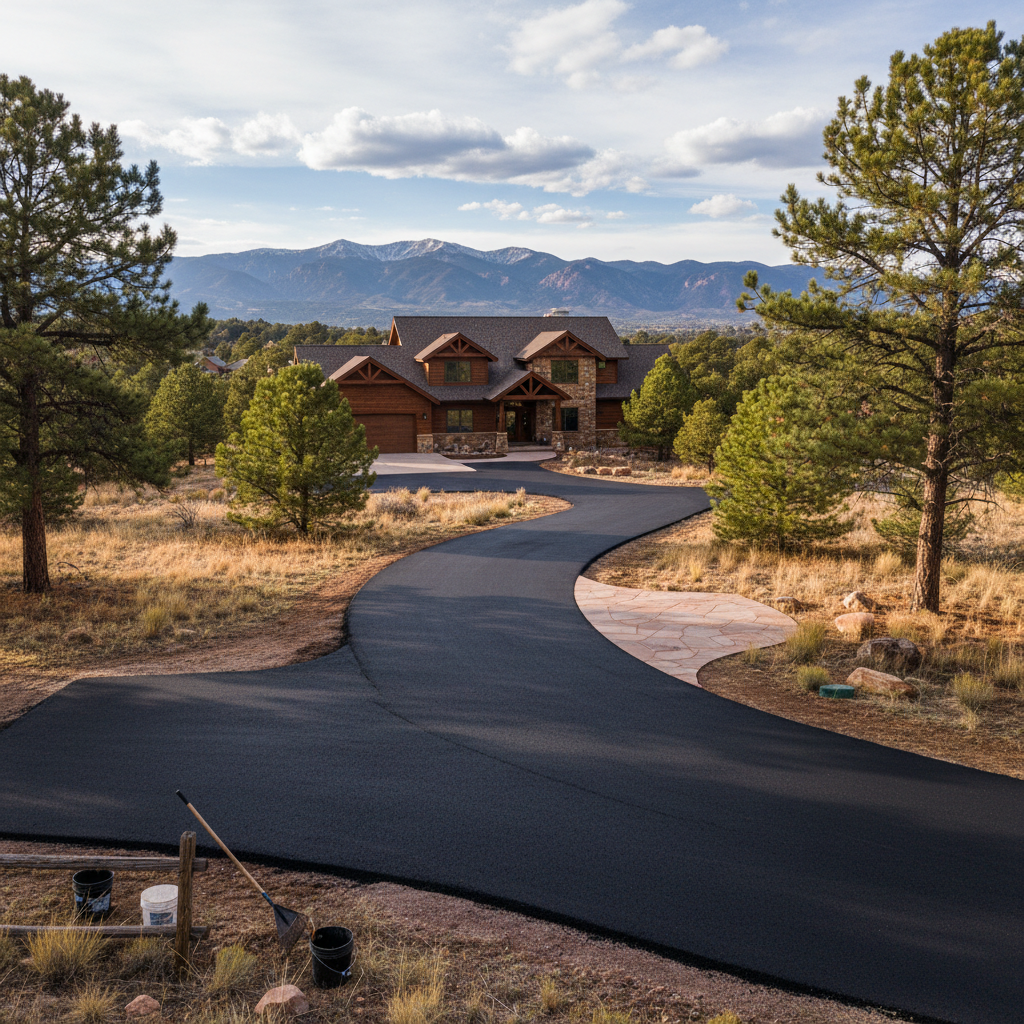
You've got an asphalt driveway, and you're probably wondering about slurry sealing. It's a smart move for protecting your investment, but here in Colorado Springs, timing isn't just a suggestion – it's everything. I've seen too many folks jump the gun or wait too long, and it just doesn't pan out.
What Even Is Slurry Sealing?
Let's get this straight first. Slurry sealing isn't just a fancy name for sealcoating. It's a bit more robust. Think of it as a thin, protective layer made of asphalt emulsion, fine aggregates (like sand), and water. When it's applied correctly, it fills in small cracks, restores that rich black color, and gives your driveway a fresh, durable surface. It's like putting a really good sunscreen on your pavement, protecting it from the sun, water, and traffic wear.
For homeowners, it's a cost-effective way to extend the life of your asphalt before you need a full-on replacement. It'll keep those smaller cracks from turning into monster potholes, and honestly, it just makes your property look a whole lot better.
When to Schedule Your Slurry Seal in Colorado Springs
This is where our local climate really comes into play. You can't just slap this stuff down any old time. Here in Colorado Springs, we've got those dramatic temperature swings, intense UV exposure, and of course, our famous afternoon thunderstorms. All of these factors mean you've got a pretty specific window for successful slurry sealing.
- Spring (Late April to Early June): This is often your sweet spot. The ground has thawed, temperatures are consistently above 50°F (and ideally, staying above that overnight), and we haven't hit the peak of our monsoon season yet. The days are getting longer, giving the material plenty of time to cure properly.
- Late Summer/Early Fall (Late August to Mid-October): This is another good window. The intense heat of July and early August has usually passed, and the nights are still warm enough. You want to get it done before those first hard freezes start creeping in, especially if you live up closer to the mountains like in Black Forest or Monument. Once the overnight temps consistently drop below 40°F, you're really pushing it.
What you absolutely want to avoid is trying to do this in the dead of winter or during our really wet periods. The material just won't cure right, and you'll end up with a mess or a short-lived repair.
Weather Conditions That Make or Break the Job
I can't stress this enough: weather dictates everything with slurry sealing. It's not just about the temperature when we start the job; it's about the forecast for the next 24-48 hours. Here's what we're looking for:
- Warm Temperatures: We need consistent temperatures, ideally 50°F and rising, for the slurry to cure and bond correctly. If it's too cold, it'll take forever to dry, or worse, it won't harden properly at all.
- No Rain in the Forecast: This is non-negotiable. Slurry seal needs to dry completely, and rain, especially within the first 24 hours, can wash it away, create streaks, or prevent proper curing. We're always checking the radar for those pop-up afternoon showers that Colorado Springs is famous for.
- Low Humidity: While not as critical as temperature and rain, lower humidity helps the water evaporate faster, speeding up the curing process.
- Moderate Wind: A little breeze is fine, even helpful, for drying. But strong, gusty winds can cause issues with application, blowing material around or causing it to dry unevenly.
If the forecast looks iffy, a reputable company like Primetime Paving Co will reschedule. It's better to wait a few days than to do a job that won't last.
Protecting Your Investment Year-Round
Once your slurry seal is down and cured, you've done a great job protecting your driveway. But the work doesn't stop there. Here's how to keep it looking good and performing its best:
- Give It Time to Cure: After application, you'll need to stay off it for at least 24-48 hours, sometimes longer depending on the specific product and weather. We'll give you exact instructions. Driving on it too soon is the quickest way to ruin the fresh seal.
- Keep it Clean: Sweep off dirt, leaves, and debris regularly. This prevents organic matter from breaking down on the surface and keeps water from pooling.
- Address Spills Immediately: Oil, gas, and other automotive fluids are asphalt's worst enemy. Clean up any spills as soon as you notice them to prevent staining and deterioration.
- Watch for Cracks: Even with a slurry seal, new cracks can form over time, especially with our freeze-thaw cycles. Address these small cracks with a crack filler as soon as you see them. Don't let them grow into bigger problems.
- Avoid Heavy Loads: Try to avoid parking heavy RVs or equipment on your driveway for extended periods, especially in the same spot. The constant weight can cause depressions.
- Re-seal as Needed: A good slurry seal should last you 3-5 years, maybe even longer with good care. Keep an eye on its condition, and when it starts to look faded or shows more wear, it's time to consider another application.
Taking care of your asphalt driveway isn't a one-and-done deal, especially with our unique Colorado Springs climate. But with proper timing for your slurry seal and a little ongoing maintenance, you'll keep it looking sharp and performing well for years to come.